The Indian passenger vehicle market in CY2025 clearly underlined one hard truth — size and scale are now decisive factors for success. Despite new launches and shifting rankings, overall sales remained heavily concentrated among a handful of established players. By the end of the calendar year, just six carmakers — Maruti Suzuki, Mahindra, Tata Motors, Hyundai, Kia and Toyota — together accounted for nearly 93 percent of total vehicle sales in India.
This dominance left the rest of the industry fighting for a much smaller share of the market, intensifying competition among mid-tier and legacy brands. What made 2025 particularly interesting, however, was the change in hierarchy within this powerful group.
Mahindra emerged as the biggest gainer of the year, achieving a historic milestone by becoming India’s second-largest carmaker for the first time. This rise pushed Hyundai down a position, ending its long-standing run as the second-ranked manufacturer — a spot it had largely held for almost 20 years.
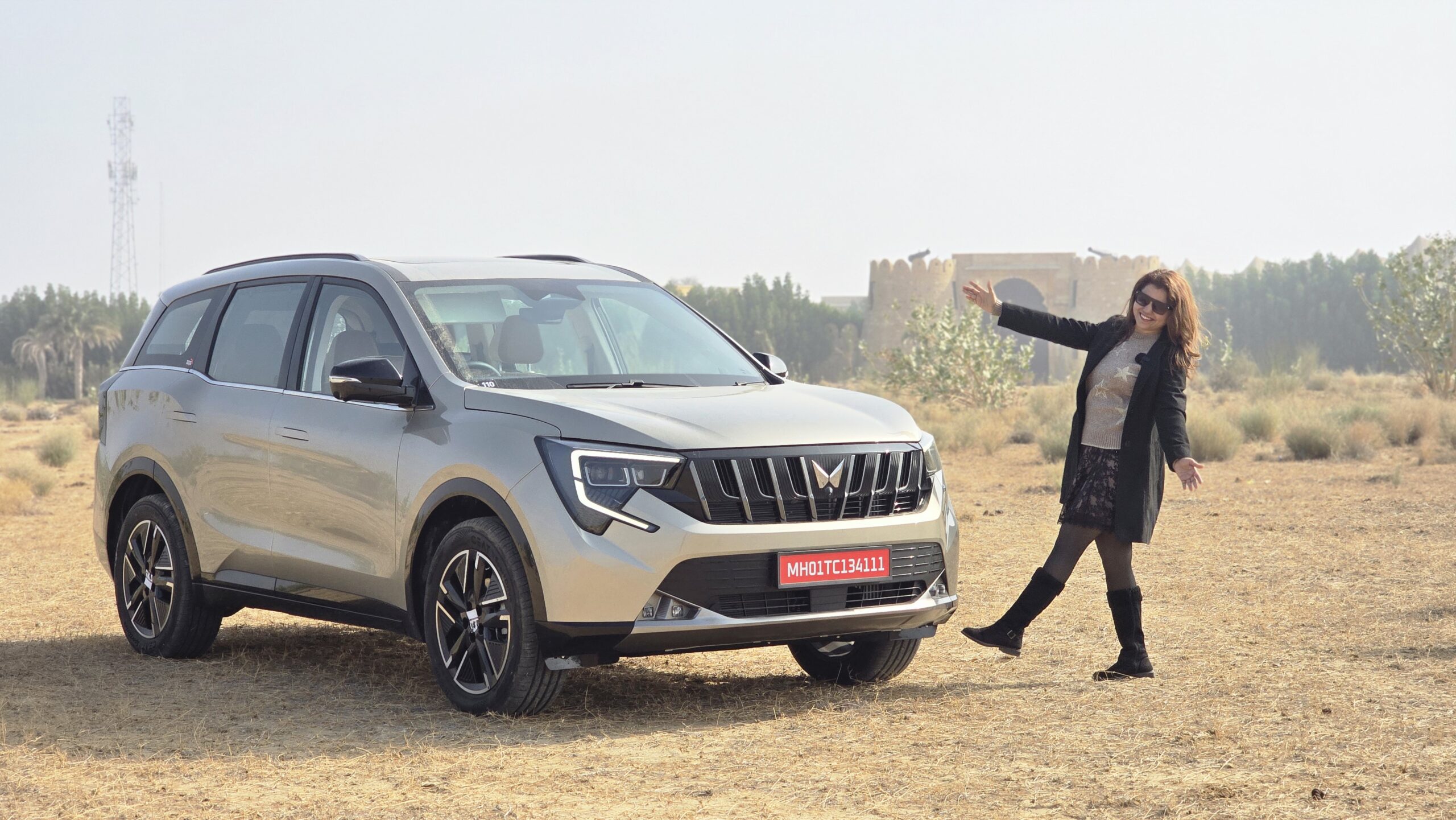
The shift highlights a decisive change in customer preferences, with SUVs continuing to drive demand across price brackets. Mahindra capitalised on this trend through aggressive product launches and timely updates over the past two years, closing CY2025 with around 14 percent market share. By covering multiple SUV segments — from compact to lifestyle and premium electric offerings — the brand ensured steady showroom traffic and sustained monthly volumes.
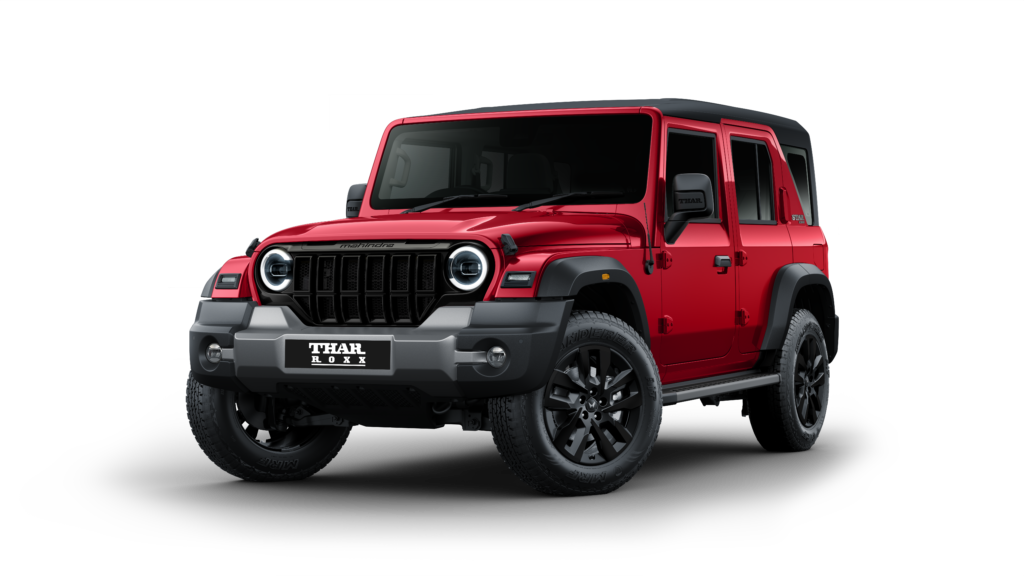
Strong design language, competitive feature lists and strategic pricing helped Mahindra convert enquiries into confirmed bookings. Models introduced recently, including the Thar Roxx, XEV 9e, BE 6 and XUV 3XO, played a crucial role in pushing annual sales beyond the one-lakh-unit mark.
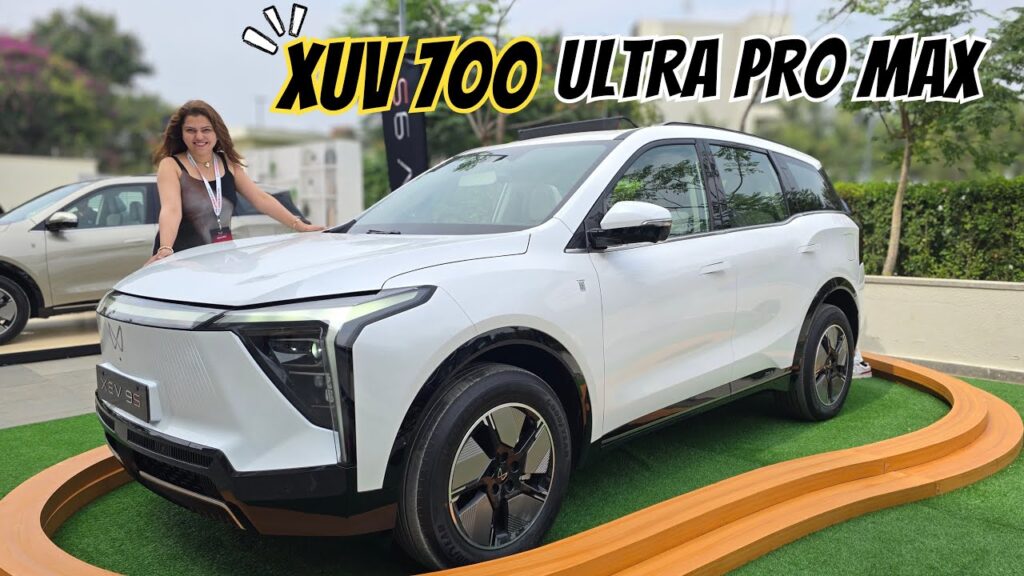
The five-door Thar Roxx alone contributed more than 53,000 units, while the electric-focused XEV 9e attracted over 27,000 buyers despite its premium positioning. Overall, Mahindra posted close to 18 percent year-on-year growth and expanded its market share by approximately 1.5 percent during the year.
Maruti Suzuki continued to lead the Indian market comfortably, ending CY2025 with roughly 40 percent market share. However, its growth remained relatively moderate, allowing rivals to gradually close the gap in select segments. Tata Motors, meanwhile, delivered another strong performance by strengthening both its internal combustion and electric vehicle portfolios. The company achieved its fifth consecutive year of record annual sales, registering total volumes of 5,87,218 units.
Toyota and Kia also reported steady gains by refining their product strategies and focusing on specific niches. Toyota balanced high-volume alliance-based models with an increasingly premium brand image, while Kia continued to leverage feature-rich offerings in popular segments.
In contrast, several once-prominent brands such as Honda, Volkswagen, Renault and Jeep struggled to regain lost momentum. Despite loyal customer bases, these manufacturers faced challenges in scaling volumes amid changing consumer expectations and intense competition from SUV-heavy portfolios.
I am an electronics and communication Engineer, recently Awarded by Govt. of India "Women Entrepreneur Excellence Award". I am passionate and Crazy about cars.
This website is developed to resolve all your Car related Problems and to make your car buying experience super easy.