The India–European Union Free Trade Agreement (India–EU FTA) has been officially finalised, and it’s already being called one of the most important trade deals in India’s recent history. Naturally, luxury car buyers are asking one big question — will European cars finally become cheaper in India?
The short answer is: not immediately, and not by much.
The long answer is far more interesting.
Here’s a clear, buyer-focused breakdown of what the India–EU FTA actually means for car prices, which models could benefit, and whether you should wait before buying a luxury car.
When will the India–EU FTA start affecting car prices?
Although the agreement was concluded in January, it will not be implemented right away. As per current timelines, the India–EU FTA is expected to come into force in FY2027–28, with some estimates pointing to mid-2028.
Even after implementation, import duty reductions will happen gradually over several years, not overnight.
How will import duties on European cars change?
At present, India imposes extremely high customs duties on fully imported cars.
• Cars with a CIF value above USD 40,000 attract a 110 percent import duty
• This is one of the key reasons European luxury cars cost significantly more in India
Under the India–EU FTA framework:
• Import duty on EU-made ICE cars will drop to around 30–35 percent initially
• Over 5 to 10 years, this duty will reduce further to nearly 10 percent
• The reduced duty will apply only to a quota of 2.5 lakh cars per year
• Imports beyond this quota will continue to face the current high duties
This means only a limited number of fully imported European cars will benefit each year.
Will locally assembled luxury cars get cheaper?
No — and this is a crucial point many buyers are missing.
Around 95 percent of luxury cars sold in India are assembled locally via the CKD route. Since these cars are not fully imported, they do not qualify for the FTA’s import duty reductions.
The agreement does mention zero duties on imported auto components after 5–10 years, but any potential benefit from this will be long-term and indirect.
Manufacturers are more likely to use those savings to offset rising costs rather than reduce sticker prices.
What about electric vehicles?
Electric vehicles have been excluded from the initial phase of the agreement.
• EU-made EVs will not see any duty cuts when the FTA begins
• Tariff reductions for EVs are expected only after five years, likely around 2032
• This move is aimed at protecting domestic EV manufacturing and investments
So if you’re waiting for European electric cars to get cheaper, the wait will be much longer.
Will luxury car prices actually fall?
Despite the headline-grabbing duty cuts, luxury car prices in India are unlikely to come down.
Industry leaders have repeatedly pointed out that factors such as:
• Rupee depreciation
• Inflation
• Rising input and logistics costs
• Global supply-chain pressures
will continue to push prices upward.
At best, the FTA will slow down future price hikes rather than reverse them. Any tariff savings are expected to act as a cushion, not a discount.
Should you delay buying a luxury car?
No.
• Any benefit will start only from 2027–28
• Inflation is likely to neutralise tariff savings
• Price reductions, if any, will be limited and selective
Waiting for the India–EU FTA to make luxury cars cheaper is unlikely to result in meaningful savings.
Which cars could benefit from the India–EU FTA?
Only fully imported CBUs manufactured in Europe are likely to see some impact.
Mercedes-Benz
Affected: AMG GT, AMG C 63, AMG GLC, AMG GLE, G-Class, Maybach S 680, CLE, SL
Unaffected: C-Class, E-Class, GLA, GLC, GLE, GLS, EQ range
BMW
Affected: M4, M4 CS, M5, M8, Z4
Unaffected: X1, X3, X5, X7, 3 Series, 5 Series, EV range
Audi
Affected: RS Q8, Q8, S5 Sportback
Unaffected: A4, A6, Q3, Q5, Q7
Jaguar Land Rover
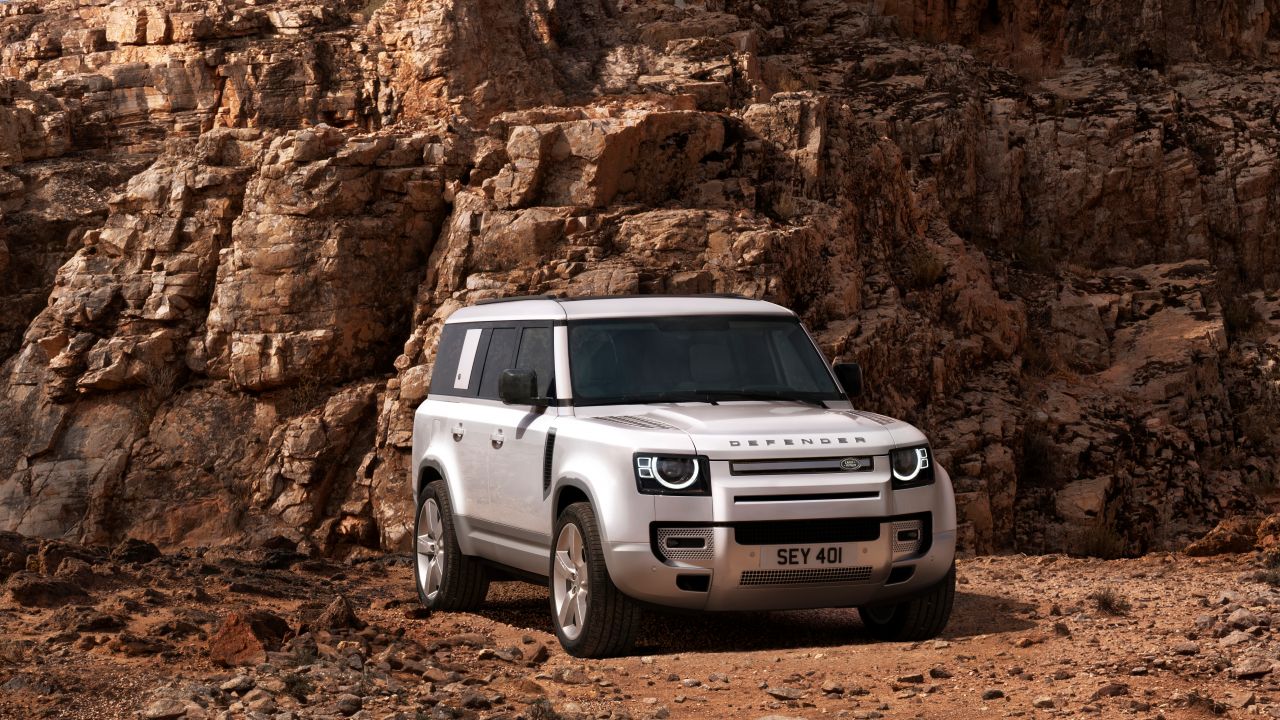
Affected: Defender, Discovery
Unaffected: Range Rover, Velar, Evoque, Discovery Sport
Porsche
Affected: 911, Panamera, Macan ICE, Cayenne ICE
Unaffected: Taycan, Macan Electric, Cayenne Electric
Lamborghini
Affected: Urus, Revuelto, Temerario
Unaffected: None
Ferrari
Affected: All ICE models including Purosangue and 296 GTB
Unaffected: Upcoming electric Ferrari
Maserati
Affected: Grecale, GranTurismo, GranCabrio
Unaffected: Folgore electric models
Final verdict
The India–EU FTA is a long-term structural win for India’s auto industry, but it is not a shortcut to affordable luxury cars.
For buyers, the real benefit lies in price stability and product expansion, not immediate cost reductions. If you’re planning to buy a luxury or performance car, your decision should be based on current market conditions — not future trade agreements.